The Why
Urbanisation and Climate Change in Rwanda
Building sustainable cities as a long-term strategy to tackle climate change
Known as the land of a thousand hills, this small country in East Africa with a population of around 14 million people is embarking on the next stage of its development. Green growth will be central to achieving its ambitious development goals.
Rwanda will experience increased population growth and accelerated urbanization over the next thirty years in line with rising population figures throughout the African continent. This growth paired with changes to the climate create pressure on land, water, food and energy resources. This small landlocked country is highly vulnerable to climate change as it is strongly reliant on rain-fed agriculture both for rural livelihoods and its exports of tea and coffee.
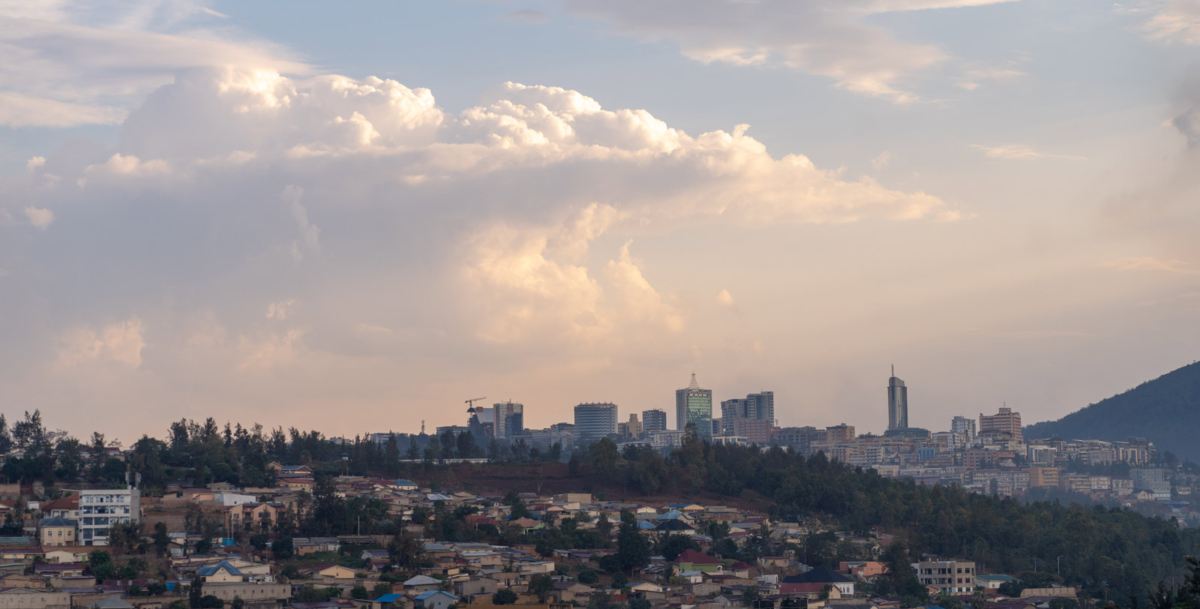
Construction and buildings are one of the main contributors to pollution and carbon emissions as well as a driver for deforestation. Therefore, strategic urban planning and people-centered design become key for Rwanda’s future. It is a chance to transform people’s lives and reduce the impact on the environment.
Rwanda has decided to fundamentally change the way cities are built that follows a holistic and integrated approach to green planning. This builds on innovation in future-oriented technologies as well as a reliance on home grown solutions and local construction materials. Using this as a basis, the Green City Kigali is anticipated to become a model for sustainable and affordable urban development in the region.
Our Objectives
The Green City Pilot Project is expected:
<br>To serve as a model for sustainable urban development linking affordable housing with climate change adaptation and mitigation measures

To set standards for adequate housing and sustainable urban development in Rwanda and in Africa
To strengthen government institutions and other stakeholders’ capacity to apply appropriate housing and urban development principles
Why Kinyinya?
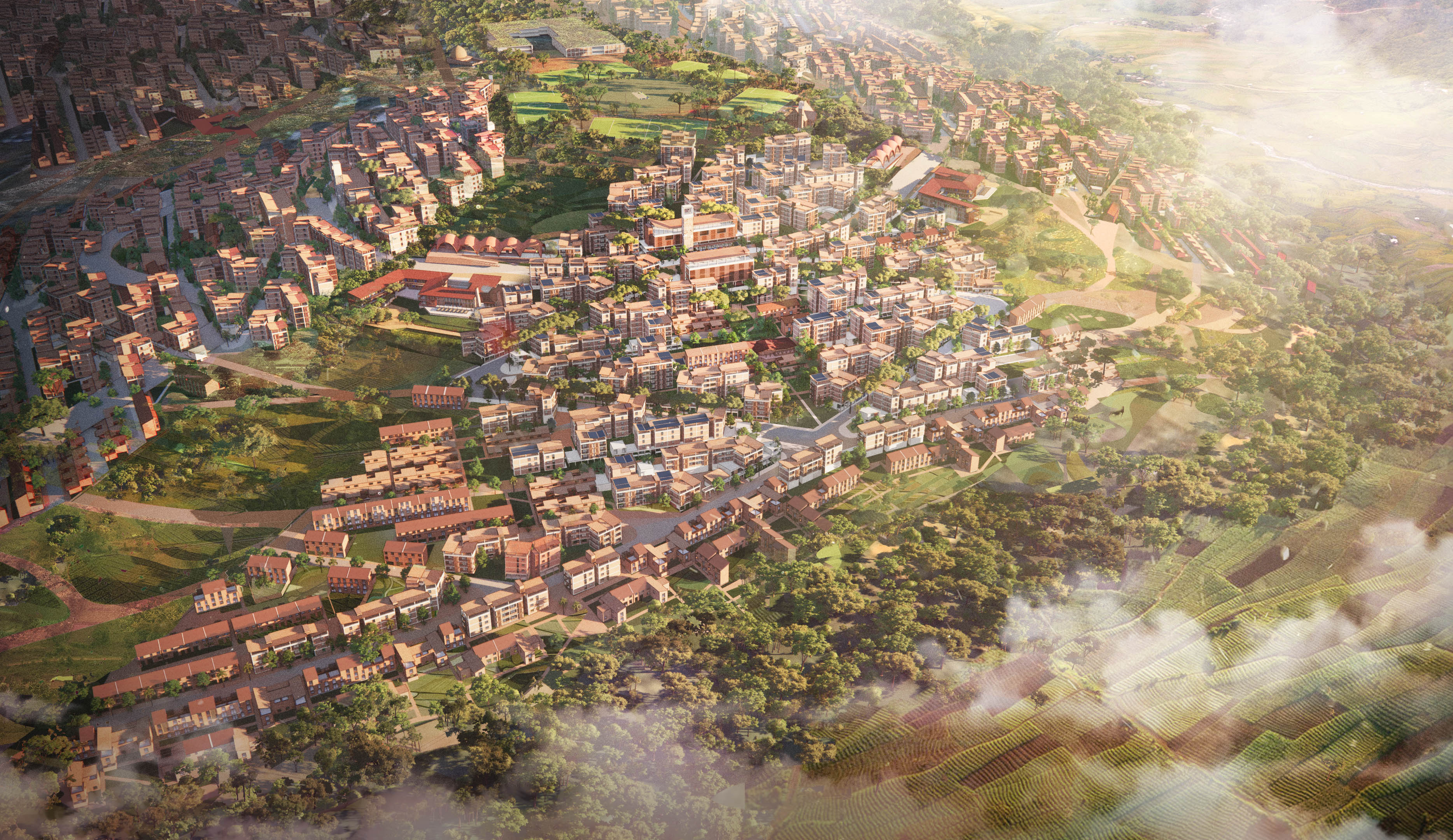
Kinyinya Hill was chosen for the Green City Kigali initiative due to its strategic location and unique features. Situated close to Kigali’s central business district, it offers accessibility and a strong connection to urban development. The 600-hectare site includes diverse zones that serve as a blueprint for sustainable city projects.
Its greenfield areas provide undeveloped land ideal for implementing innovative projects while the brownfield zones present an opportunity to integrate green city principles into existing communities without causing disruption, in line with our environmental and social safeguards. The hill also features additional assets that enhance its suitability. It includes a central business district that provide employment and entrepreneurship opportunities, a 70-hectare former Deutsche Welle site with a forested area that can be developed into an eco-park, and natural resources such as wetlands and clay extraction sites for producing local, sustainable building materials.
This combination of elements enables Kinyinya Hill to showcase how green city principles can be effectively applied in diverse settings, making it a model for sustainable urban development.