About Green City Kigali
Green City Kigali is an initiative led by the Government of Rwanda to address environmental and urban challenges through innovative models of green urbanisation. The project is a key component of the Rwandan-German Climate and Development Partnership and is supported by the German government through KfW Development Bank.
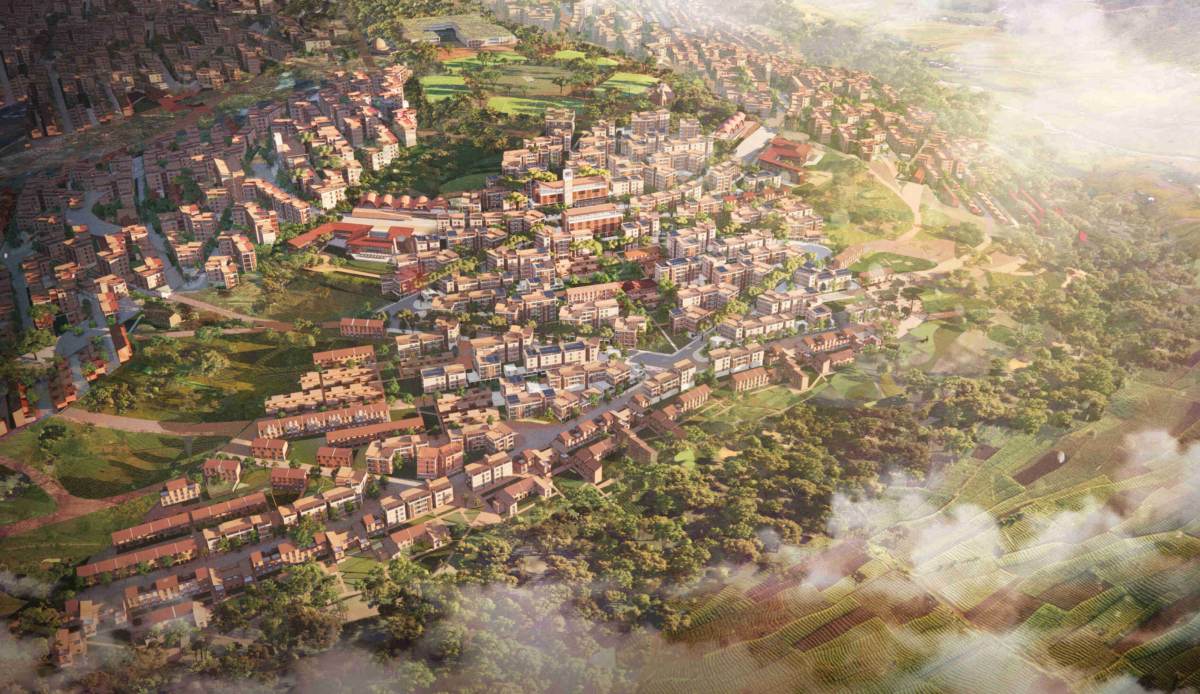
Covering a designated 600-hectare area on Kinyinya Hill, the project aligns with the City of Kigali Master Plan 2050, envisioning an affordable, sustainable urban community for 170,000 to 200,000 residents. The initial phase will focus on a 16-hectare pilot site, planned for 1,700 to 2,000 units through public-private partnerships.
The Green City Kigali Company, a special-purpose vehicle established by the Rwanda Green Fund and the Rwanda Social Security Board, is tasked with designing and delivering green infrastructure and affordable housing solutions, as well as procuring private developers to implement the 16-hectare pilot site, all to foster sustainable, climate-resilient urban communities in Rwanda.
Why Kinyinya?
Kinyinya Hill was chosen for the Green City Kigali initiative due to its strategic location and unique features. Situated close to Kigali’s central business district, it offers accessibility and a strong connection to urban development. The 600-hectare site includes diverse zones that serve as a blueprint for sustainable city projects.
Its greenfield areas provide undeveloped land ideal for implementing innovative projects while the brownfield zones present an opportunity to integrate green city principles into existing communities without causing disruption, in line with our environmental and social safeguards. The hill also features additional assets that enhance its suitability. It includes a central business district that provide employment and entrepreneurship opportunities, a 70-hectare former Deutsche Welle site with a forested area that can be developed into an eco-park, and natural resources such as wetlands and clay extraction sites for producing local, sustainable building materials.
This combination of elements enables Kinyinya Hill to showcase how green city principles can be effectively applied in diverse settings, making it a model for sustainable urban development.